Creating and managing image galleries and sliders in WordPress can be done using various plugins and built-in features.
There are two ways to create and manage image galleries and sliders in WordPress:
Using the built-in functionality
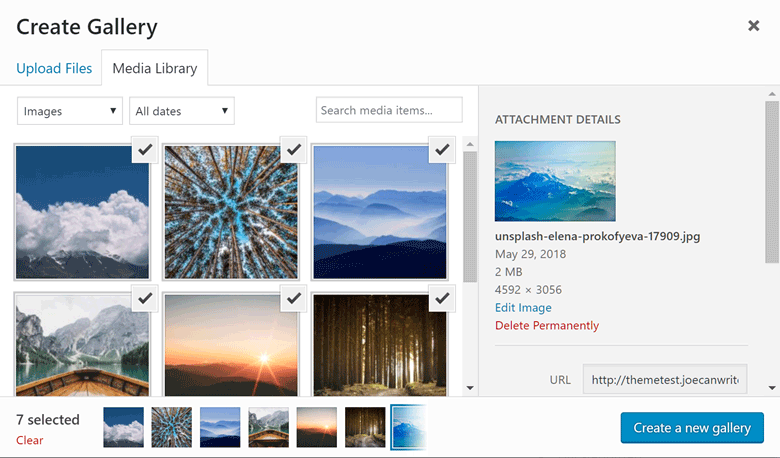
WordPress comes with a built-in gallery block that you can use to create image galleries. To do this, simply open a post or page and click on the “+” button in the toolbar. Then, search for and add the “Gallery” block. Once you have added the block, you can upload images from your computer or from your media library. You can also add captions, titles, and descriptions to your images.
Using a plugin
There are many plugins available that can help you create more advanced image galleries and sliders. Some popular plugins include:
- Soliloquy Slider
- Nivo Slider
- Slider Revolution
- Image Slider by WPBeginner
These plugins allow you to create sliders with different layouts, animations, and features. They also give you more control over the appearance and behavior of your galleries.
Here are the steps on how to create and manage WordPress website image galleries and sliders:
- Install and activate a plugin. If you want to use a plugin, you will need to install and activate it first. Most plugins can be installed from the WordPress plugin directory.
- Create a new gallery or slider. Once you have installed and activated a plugin, you can create a new gallery or slider. The specific steps for doing this will vary depending on the plugin you are using.
- Add images to your gallery or slider. Once you have created a new gallery or slider, you can add images to it. The specific steps for doing this will vary depending on the plugin you are using.
- Configure your gallery or slider settings. Once you have added images to your gallery or slider, you can configure its settings. This may include things like the layout, animation, and features of your gallery or slider.
- Publish your gallery or slider. Once you have configured your gallery or slider settings, you can publish it. This will make it visible on your website.
Here are some additional tips for creating and managing WordPress website image galleries and sliders:
- Use high-quality images. The images you use in your galleries and sliders should be high-resolution and well-lit. This will ensure that they look good on all devices.
- Use descriptive captions. The captions you add to your images should be descriptive and informative. This will help users understand what the images are about.
- Use a consistent style. If you have multiple galleries or sliders on your website, it is a good idea to use a consistent style for them. This will make your website look more professional.
- Keep your galleries and sliders short. It is a good idea to keep your galleries and sliders short. This will make them easier to scan and understand.
